
I didn't arrive at this work because I set out to become a multidimensional guide. In many ways, I believe I've spent much of my life finding language for something I already knew.
For as long as I can remember, I have looked beyond what I could see. A symptom was never simply a symptom to me. A behaviour wasn't the whole person. When something wasn't working, I wanted to understand why.
I didn't always have language for that.
That came later.
The Journey Behind My Work
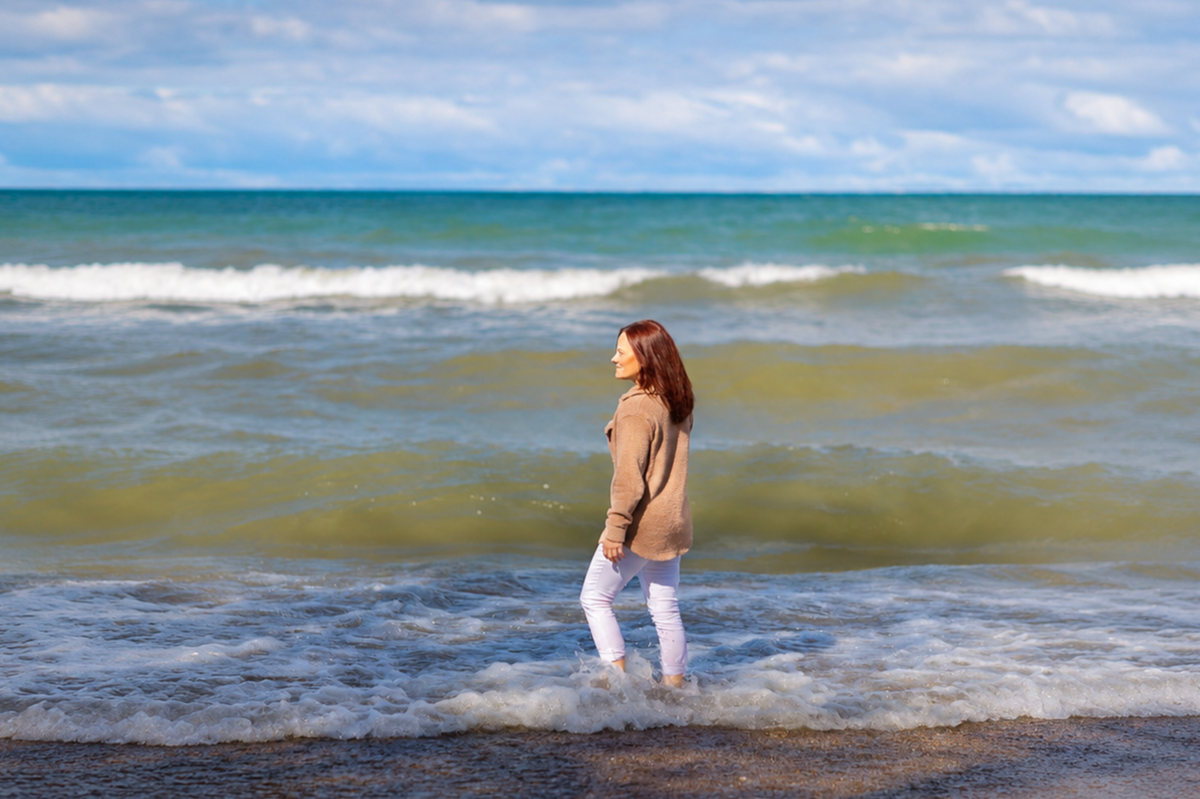
To become we must first be, as it is through BEing that we become. ~ AnaFinding Language for What I Innately Knew
That curiosity led to questions. I wanted to understand what I was sensing and why, even when there seemed to be no logical explanation for what I felt or knew.
I didn't always understand what I perceived, nor did I necessarily trust it. But I was willing to follow the questions.
Health became one of the places where I learned to trust what I was sensing.
Through experiences with my own health and, later, as a mother, I began questioning the approaches being recommended when they didn't fully resonate with what I was sensing.
What is causing or contributing to what I'm experiencing or observing? Why is this happening? What is at the root of it?
And often:
Is there another way? If so, what is it?
I wasn't raised with a holistic approach to health, nor did I yet have the knowledge or language to explain many of the connections I was intuitively perceiving. But I trusted what I felt enough to question, research, and eventually follow the higher guidance I received to study holistic nutrition.
My education gave me knowledge, understanding, and language for many of the connections I had already begun to recognize.
But nutrition was never the whole story.
As my understanding and work expanded, I often felt unsettled approaching one aspect of a person as though it existed independently of everything else.
I kept returning to the whole.
And running through it all was energy.
I sensed people, environments, and what was communicated beyond what could be seen or spoken. Over time, I came to better understand what I was perceiving—to question, discern, and trust it, and to become more conscious of how I responded.
My language changed.
My understanding deepened.
But the way I saw people remained remarkably consistent.
Knowing Something and Living It Are Not the Same Thing
There have been seasons of depression, struggles with addiction, physical health challenges, grief, difficult relationships, family struggles, and experiences that brought me face-to-face with parts of myself I didn't always want—or know how—to see.
I've known what it is to lose myself within what I was experiencing. I've also learned what it means to find my way back.
For much of my life, caring for others came naturally to me. Caring for myself with the same attention did not.
I had to learn how to care for myself while life was still difficult. How to remain in relationship with myself while supporting others. And how not to abandon myself within circumstances I could not always change.
That changed the way I understood health.
Health became more than what I ate, how my body functioned, or the absence of illness. It became inseparable from the relationship I had with myself—and how I met myself within the experiences of my life.
When the Questions Turned Inward
Over time, the questions I asked began to change. I still wanted to understand what was happening and what might be at the root of it, but I became increasingly curious about myself within the experience.
What meaning am I giving to this?
What else could this mean?
What do I believe to be true?
What is this showing me?
What is here for me to see that I may not be seeing?
Learning to trust myself became part of that journey—not as unquestioning belief in everything I felt or perceived, but as a willingness to listen.
To remain curious. To question. To discern.
And to honour my own experience while remaining open to understanding it more deeply.
What Remains
I don't believe difficult experiences automatically make us wiser, nor do I believe healing asks us to become someone other than who we are.
For me, it has been much more about awareness—being willing to see myself honestly, understand rather than immediately judge what I find, and remain in relationship with myself through all of it.
That understanding shapes the way I work today.
Everything I have learned, lived, and questioned informs the space I hold.
I listen. I ask questions. I share what I see, sense, know, and understand, while remaining open to what else there may be to discover.
My role isn't to tell another person who they are or what their life should look like. It is to meet the whole person and hold space for greater awareness and understanding to emerge—while honouring their capacity to know themselves and choose what feels true and meaningful for their own life.
Beneath everything I have studied, practised, questioned, experienced, lost, remembered, and come to understand, one thing has remained:
There is always more to us than what can be seen on the surface.
Sometimes the journey isn't about becoming someone new.
Sometimes it is about seeing ourselves more clearly, understanding ourselves more deeply, and remembering more of who we really are.